Revolutionizing Data Storage: A Deep Dive into NetApp AFF C-Series
In an era where data is growing at an unprecedented pace, organizations are under constant pressure to store, manage, and access information faster and more efficiently than ever before. Traditional storage architectures, built for a time when data volumes were smaller and workloads more predictable, are increasingly unable to keep up with modern demands. This is where all-flash storage comes into play, and among the leaders in this space is NetApp with its AFF C-Series. Designed to deliver high capacity, efficiency, and enterprise-grade reliability at a compelling cost, the NetApp AFF C-Series represents a significant evolution in data storage technology.
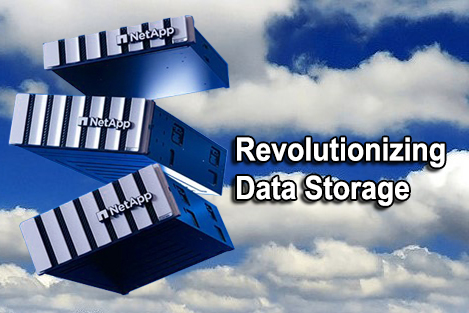
The Changing Landscape of Data Storage
Before diving into the specifics of the AFF C-Series, it is important to understand the context in which it was developed. Modern organizations face a wide variety of workloads, from databases and virtualized environments to analytics, artificial intelligence, and cloud-native applications. These workloads demand not only large amounts of storage but also consistent performance, low latency, and seamless scalability.
At the same time, IT budgets remain under scrutiny. Businesses want the benefits of flash storage—speed, efficiency, and reliability—without the premium price historically associated with it. NetApp recognized this challenge and engineered the AFF C-Series to bridge the gap between performance and affordability, making enterprise-class all-flash storage accessible to a broader range of use cases.
What Is NetApp AFF C-Series?
The NetApp AFF C-Series is a family of capacity-optimized all-flash storage systems built on NetApp’s proven ONTAP data management software. Unlike performance-focused AFF A-Series systems, which prioritize ultra-low latency for mission-critical workloads, the C-Series is optimized for high capacity and cost efficiency while still delivering strong and predictable performance.
In simple terms, the AFF C-Series is designed for organizations that need large amounts of flash storage for workloads such as file services, databases, virtualization, backup targets, and tier-1 applications that benefit from flash but do not require extreme performance levels.
Key Design Philosophy: Capacity Meets Efficiency
One of the most compelling aspects of the AFF C-Series is its design philosophy. NetApp engineered these systems with a focus on capacity density and storage efficiency. By leveraging high-capacity flash drives and advanced data reduction technologies, the C-Series delivers more usable storage per rack unit than many traditional systems.
NetApp’s industry-leading storage efficiency features—such as inline deduplication, compression, and compaction—play a critical role here. These features operate transparently and in real time, reducing the physical amount of storage required without sacrificing performance. For organizations dealing with large datasets, this can translate into significant cost savings over the lifetime of the system.
Powered by ONTAP: A Unified Data Management Platform
At the heart of the AFF C-Series lies NetApp ONTAP, a mature and feature-rich data management operating system. ONTAP provides a unified platform for managing block, file, and object storage, allowing organizations to consolidate workloads on a single system.
ONTAP’s capabilities extend far beyond basic storage management. Features such as snapshots, replication, cloning, and automated tiering are built in, enabling advanced data protection and lifecycle management strategies. With ONTAP, administrators can manage data consistently across on-premises systems, hybrid environments, and the cloud, reducing operational complexity and improving agility.
Performance That Matches Real-World Workloads
While the AFF C-Series is positioned as a capacity-optimized solution, it still delivers impressive performance. All-flash architecture ensures low latency and high throughput compared to traditional HDD-based systems. For many enterprise workloads, the performance provided by the C-Series is more than sufficient, especially when combined with the efficiencies of ONTAP.
This makes the C-Series ideal for mixed workloads where performance consistency is more important than peak performance. Applications such as enterprise resource planning (ERP), customer relationship management (CRM), and large virtual desktop infrastructure (VDI) environments can all benefit from the predictable performance characteristics of the AFF C-Series.
Scalability and Flexibility
Scalability is another area where the NetApp AFF C-Series shines. Organizations rarely know exactly how their storage needs will evolve, so flexibility is critical. The C-Series supports both scale-up and scale-out configurations, allowing businesses to start small and grow as needed.
With ONTAP’s clustering capabilities, multiple systems can be combined into a single logical storage pool. This enables seamless expansion without downtime and ensures that performance and capacity can scale in line with business growth. Such flexibility is particularly valuable in environments with rapidly changing data requirements.
Enterprise-Grade Reliability and Availability
Data is one of an organization’s most valuable assets, and its protection is non-negotiable. NetApp has long been known for its focus on reliability and availability, and the AFF C-Series is no exception.
Features such as RAID-DP and RAID-TEC provide advanced protection against disk failures, while non-disruptive operations allow hardware upgrades, maintenance, and software updates to be performed without interrupting applications. High availability configurations ensure that data remains accessible even in the event of component failures, making the C-Series suitable for mission-critical environments.
Security Built into the Core
In today’s threat landscape, storage systems must do more than just store data—they must actively help protect it. The AFF C-Series incorporates a range of security features designed to safeguard data at rest and in transit.
These include encryption, secure multi-tenancy, and role-based access control. ONTAP also supports features such as immutable snapshots, which can be a powerful defense against ransomware by preventing unauthorized modification or deletion of backup data. By integrating security directly into the storage platform, NetApp helps organizations reduce risk and strengthen their overall security posture.
Seamless Integration with Hybrid and Multi-Cloud Environments
Modern IT strategies increasingly embrace hybrid and multi-cloud models. The NetApp AFF C-Series is designed with this reality in mind. Through ONTAP, data can be replicated and synchronized between on-premises systems and cloud-based NetApp services, enabling consistent data management across environments.
This capability allows organizations to move workloads between on-premises infrastructure and the cloud, support disaster recovery strategies, and optimize costs by tiering data to the most appropriate location. The result is greater flexibility and the ability to adapt quickly to changing business needs.
Use Cases That Benefit Most from AFF C-Series
The versatility of the AFF C-Series makes it suitable for a wide range of use cases. Enterprises looking to modernize their primary storage without breaking the budget can use it as a replacement for legacy SAN or NAS systems. It is also an excellent choice for large file repositories, data lakes, and analytics workloads where capacity and efficiency are paramount.
In addition, organizations running virtualized environments can leverage the consistent performance and scalability of the C-Series to support growing numbers of virtual machines. Backup and recovery targets, especially those requiring fast restore times, also benefit from the all-flash architecture.
Cost Efficiency and Total Cost of Ownership
One of the most significant advantages of the NetApp AFF C-Series is its impact on total cost of ownership (TCO). While all-flash storage was once considered prohibitively expensive, the C-Series demonstrates that flash can be both powerful and economical.
By combining high-capacity flash media with advanced data reduction, the AFF C-Series reduces the amount of physical storage required. Lower power and cooling requirements compared to spinning disks further contribute to cost savings. When these factors are considered together, many organizations find that the C-Series offers a more attractive TCO than traditional hybrid or HDD-based solutions.
The Future of Data Storage with NetApp
As data continues to grow in volume and importance, storage infrastructure must evolve accordingly. The NetApp AFF C-Series represents a forward-looking approach to enterprise storage, balancing performance, capacity, efficiency, and cost in a way that aligns with modern business realities.
By building on the robust foundation of ONTAP and leveraging the benefits of all-flash technology, NetApp has created a solution that is not only relevant today but also well positioned for the future. Whether organizations are modernizing their data centers, embracing hybrid cloud strategies, or preparing for data-intensive applications, the AFF C-Series provides a solid and scalable platform.
Conclusion
The NetApp AFF C-Series is more than just another storage product—it is a strategic solution designed to meet the evolving demands of data-driven organizations. By delivering enterprise-grade reliability, strong performance, exceptional efficiency, and seamless integration with hybrid cloud environments, it redefines what capacity-optimized all-flash storage can be.
For businesses seeking to revolutionize their data storage strategy without compromising on quality or budget, the NetApp AFF C-Series stands out as a compelling choice. It proves that modern storage does not have to be a trade-off between performance and cost, but rather a balanced solution that empowers organizations to unlock the full value of their data.